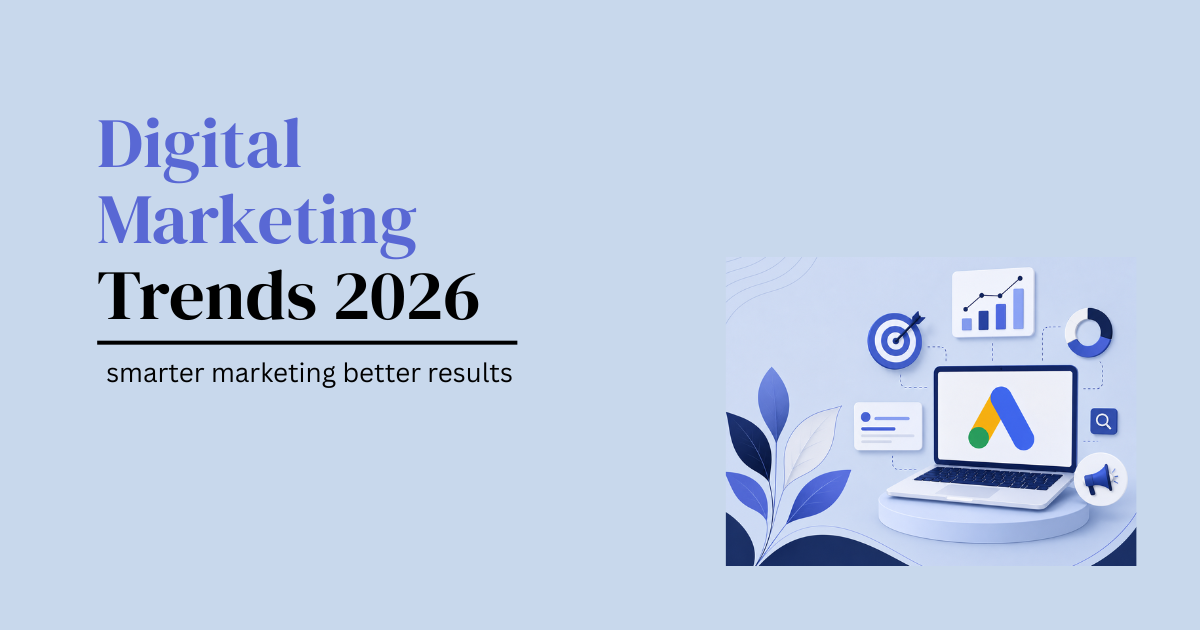
The digital marketing landscape keeps evolving every year, and 2026 is no exception. Staying updated with the latest digital marketing trends 2026 is essential for businesses that want to stay competitive and relevant in an increasingly crowded online space. Here are the biggest trends shaping marketing this year.
1. AI-Powered Personalization
Artificial intelligence continues to dominate marketing strategies. Brands are using AI to analyze customer data and deliver highly personalized experiences — from product recommendations to customized email content. Businesses using ai tools for marketing are seeing better engagement because customers respond more positively to content that feels relevant to them.
2.Generative Engine Optimization
As AI-powered search tools become more common, a new trend called generative engine optimization geo is emerging. This means optimizing content not just for traditional search engines but also for AI-driven answer engines that summarize information directly for users, changing how content needs to be structured and written.
3.Voice Search Growth
More people are using voice assistants to search for information, directions, and products. Businesses need to think about conversational, natural language content that matches how people actually speak, rather than just typed keyword phrases.
4.Video Content Continues to Dominate
Short-form video remains one of the most engaging content formats. Platforms continue to prioritize video in their algorithms, making it essential for brands to include video in their content strategy, whether through tutorials, behind-the-scenes clips, or product demos.
5.Local SEO and Google Business Profile
Local searches continue to grow, especially for service-based businesses. Proper google business profile optimization helps businesses appear in local search results and Google Maps, making it easier for nearby customers to find and choose them over competitors.
6.Marketing Automation Becomes Standard
More businesses are adopting marketing automation platforms to handle repetitive tasks like email sequences, social media scheduling, and lead follow-ups. This allows marketing teams to focus on strategy and creative work while automation handles routine processes.
7.Privacy-First Marketing
With increasing data privacy regulations, marketers are shifting away from third-party tracking toward first-party data — information collected directly from customers through sign-ups, surveys, and website interactions. This builds trust while still allowing effective targeting.
8.Interactive and Shoppable Content
Content that allows users to interact — polls, quizzes, and shoppable posts where users can buy directly from social media — is becoming more popular as it shortens the path from discovery to purchase.
9.Influencer and Community Marketing
Rather than working only with large influencers, brands are increasingly partnering with smaller, niche creators who have highly engaged, loyal communities. This often delivers better results than broad, expensive influencer campaigns.
10.Sustainability and Authentic Branding
Customers increasingly prefer brands that are transparent about their values and practices. Authentic storytelling, rather than polished advertising, is becoming a key part of building trust with modern audiences.
11.Rise of AI Market Research
Understanding customer needs before launching a campaign is becoming faster and more accurate thanks to ai market research tools that can analyze surveys, reviews, and social conversations at scale, giving marketers deeper insights than traditional research methods could provide in the same amount of time.
12.Integration Across Marketing Channels
Businesses are increasingly connecting their tools and platforms so that data flows seamlessly between email, social media, ads, and website analytics. This integrated approach gives a more complete picture of the customer journey and helps marketers make better, faster decisions.
13.The Growing Role of Data Privacy Tools
As regulations tighten around how customer data is collected and used, businesses are investing in tools that help manage consent, data storage, and compliance, ensuring their marketing practices stay within legal boundaries while still delivering personalized experiences.
How Businesses Can Prepare
- Start experimenting with AI tools for content and analytics - Optimize your Google Business Profile if you serve local customers - Invest in short-form video content - Explore marketing automation to save time - Focus on building first-party customer data
Conclusion
The digital marketing trends 2026 show a clear direction: smarter automation, more personalization, and a shift toward AI-driven search experiences. Businesses that adapt early to these changes will have a strong advantage, while those that stick to outdated strategies risk falling behind in an increasingly competitive digital space.
More from our blog
See all posts
Recent Posts
- Digital Marketing Tools Every Marketer Needs July 29, 2026
- Optimize for Voice Search: A Complete Guide July 29, 2026
- Top Social Media Trends to Watch in 2026 July 29, 2026