

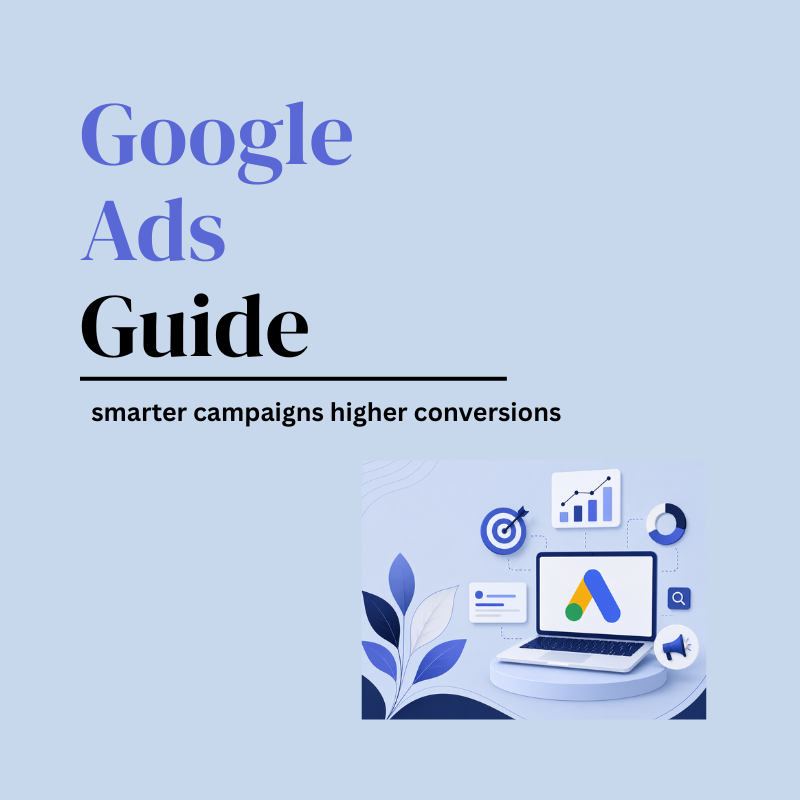
Google Ads remains one of the most powerful tools for businesses looking to get instant visibility online. Unlike SEO, which takes time to show results, google ppc advertising can put your business at the top of search results within minutes of launching a campaign. This guide walks through the essentials of getting started with Google Ads.
What is Google Ads?
Google Ads is Google's online advertising platform where businesses pay to display ads on search results, YouTube, and partner websites. It works on a pay-per-click (PPC) model, meaning you only pay when someone actually clicks on your ad.
Step 1: Set Clear Campaign Goals
Before creating any campaign, decide what you want to achieve — website visits, phone calls, product sales, or lead form submissions. Your goal determines the type of campaign and settings you'll choose.
Step 2: Do Proper Keyword Research
Keywords are the foundation of any successful Google Ads campaign. Using the google ads keyword planner, marketers can find out how many people search for specific terms and how competitive those keywords are. This helps you choose keywords that bring quality traffic without overspending.
The google adwords keyword planner (now part of Google Ads) also shows keyword suggestions and estimated cost-per-click, helping you plan a realistic budget before launching your campaign.
Step 3: Complete Google Ads Campaign Setup
A proper google ads campaign setup includes choosing the right campaign type (Search, Display, Shopping, or Video), setting your target location, defining your audience, and writing compelling ad copy that matches what people are searching for.
Step 4: Write Effective Ad Copy
Your ad headline and description need to grab attention quickly. Focus on the main benefit of your product or service, include a clear call to action, and make sure your message matches the keyword someone searched for.
Step 5: Set Your Budget and Bidding Strategy
Decide on a daily budget you're comfortable spending. Google Ads offers different bidding strategies — some focus on getting clicks, others on conversions. Beginners often start with manual bidding to understand costs before switching to automated bidding.
Step 6: Track Conversions
Setting up conversion tracking is one of the most important steps many beginners skip. Without it, you won't know which clicks actually turned into sales or leads, making it impossible to measure real return on investment.
Step 7: Monitor and Optimize Regularly
Google Ads campaigns need regular attention. Check which keywords are performing well and which are wasting budget. Pause underperforming ads and increase budget on ads that are converting well.
Why Businesses Choose to Advertise with Google Ads
Businesses choose to advertise with google ads because it offers immediate visibility, precise targeting, and measurable results. Unlike traditional advertising, every rupee spent can be tracked back to actual clicks, calls, or sales.
Common Google Ads Mistakes to Avoid
- Using overly broad keywords that attract irrelevant clicks - Not setting a clear budget limit - Ignoring negative keywords, which filter out irrelevant searches - Sending traffic to a slow or poorly designed landing page - Not tracking conversions to measure real results
Getting Professional Help
For businesses without the time or expertise to manage campaigns themselves, working with a google adwords agency can help ensure campaigns are set up correctly and optimized for the best possible return on ad spend.
Understanding Quality Score
Google assigns every keyword a Quality Score based on ad relevance, expected click-through rate, and landing page experience. A higher Quality Score can lower your cost per click while improving your ad position, so it's worth investing time in writing relevant ads and creating landing pages that genuinely match what searchers are looking for.
Using the Google Keyword Tool Effectively
Beyond basic keyword suggestions, the built-in keyword planning features also show seasonal trends, helping you understand when demand for certain products or services rises and falls throughout the year. Planning your budget around these trends can help you spend more efficiently during high-demand periods and avoid overspending during slower months.
Scaling a Successful Campaign
Once a campaign proves profitable, resist the urge to increase budget too quickly. Scale gradually, monitor performance closely as spend increases, and expand into related keywords or new geographic areas step by step to maintain the same quality of results.
Conclusion
Google Ads can deliver fast, measurable results when set up correctly. By doing proper keyword research, writing strong ad copy, tracking conversions, and continuously optimizing your campaigns, businesses of any size can use Google Ads to generate real, trackable growth.
More from our blog
See all posts


Recent Posts
- Digital Marketing Tools Every Marketer Needs July 29, 2026
- Optimize for Voice Search: A Complete Guide July 29, 2026
- Top Social Media Trends to Watch in 2026 July 29, 2026